
This Local Nature Recovery Strategy (LNRS) for Leicestershire, Leicester and Rutland, outlines a comprehensive strategic, landscape scale approach for enhancing and restoring biodiversity across the strategy area.
It is a call to action for all sectors of society to play a role in the recovery of nature, ensuring that the biodiversity and natural beauty of Leicestershire, Leicester and Rutland can thrive for future generations, while at the same time supporting the lives and livelihoods of the people and communities that live and work here.
The Ulverscroft Valley is within an area that has been noted in the LNRS as an area that could become of particular importance.
to view the Leicestershire, Leicester and Rutland Local Nature Recovery Strategy
The Charnwood Forest presents significant opportunities for expanding ancient woodlands, restoring heathlands, and improving habitat connectivity to support key species and enhance ecosystem resilience. Members of the Corridor Club can be key players in the recovery of nature within the Ulverscroft Valley.
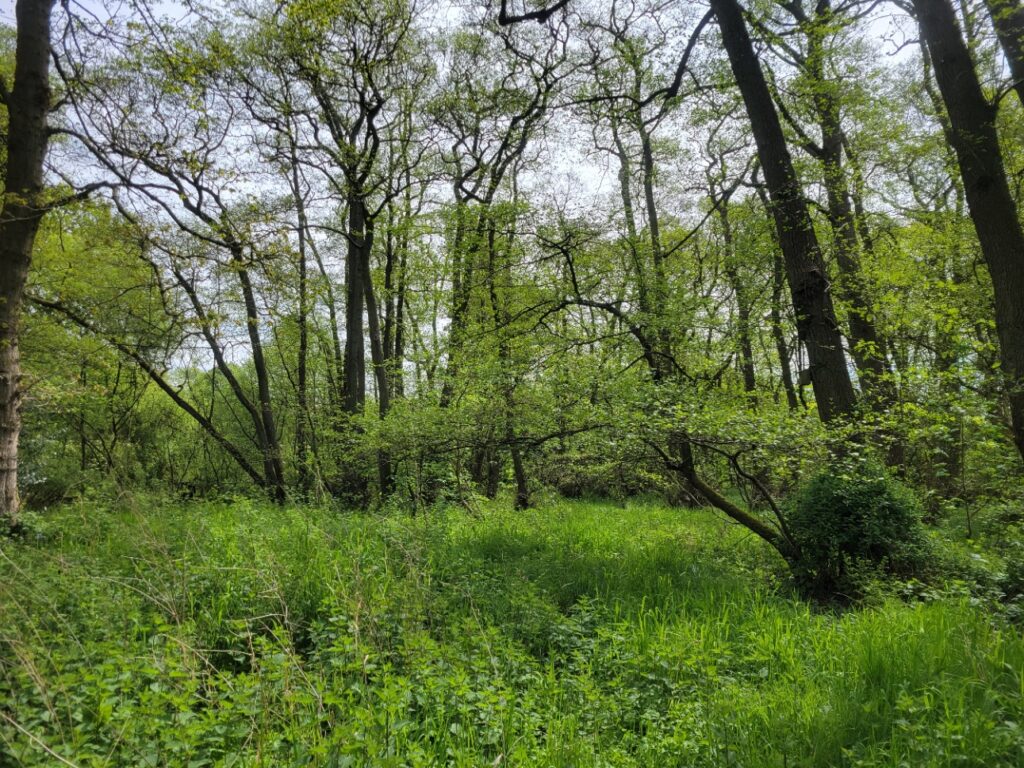
Charnwood Forest offers significant opportunities to expand ancient woodlands, particularly lowland mixed deciduous woodland, wet woodland, and ancient woodlands. These expansions will benefit species like the Hazel Dormouse, Willow Warbler, and Barbastelle Bats, and contribute to carbon sequestration, flood regulation, and ecosystem resilience.
Restoring degraded heathlands will expand priority habitats, such as lowland heathland, for species like Adders and Common Lizards.
Enhance grasslands and heathlands by reducing nutrient inputs and managing deadwood, which supports species like the Lesser Stag Beetle and Wood Warbler.
Enhance habitat connectivity by creating ecological corridors (hedgerows, wildflower strips, riparian buffer zones), aiding species like dormice (which have been introduced nearby), bats, and woodland birds.
Additional protections could focus on lowland heathland sites and significant geological features in Charnwood Forest, given its potential as a UNESCO Geopark. Protecting Biodiversity Action Plan habitats like lowland mixed deciduous woodland will also be crucial.