
The Ulverscroft Valley is part of a connected landscape of woodlands, grasslands, hedgerows, streams, gardens and farmland. Together, these habitats support wildlife that is becoming increasingly scarce across the wider countryside.
Here, nature works with the land. Healthy soils, well-managed grassland, trees and hedgerows help slow water run-off, reduce erosion, improve shelter for livestock and increase resilience to extreme weather. These natural systems play a vital role in productive, sustainable land management.
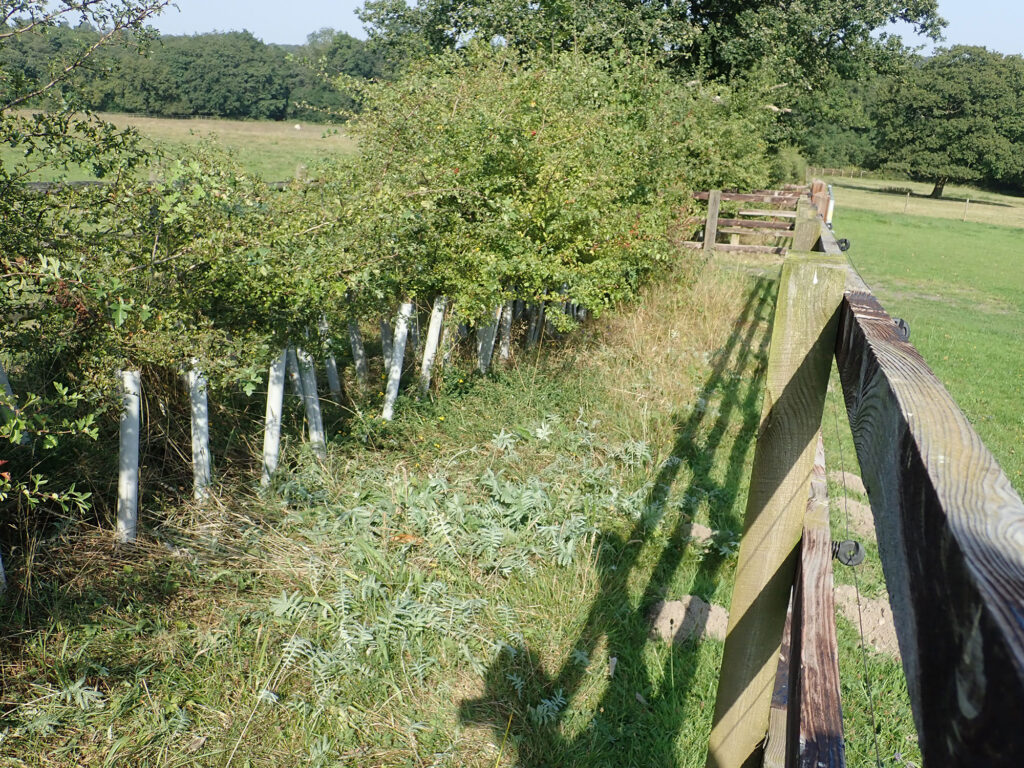
Many local species including bats, barn owls, woodland birds, pollinators and wildflowers depend on features already present on the land, such as mature trees, ponds, hedgerows and field margins. Small, well-targeted actions can make a real difference, often without changing how land is used.
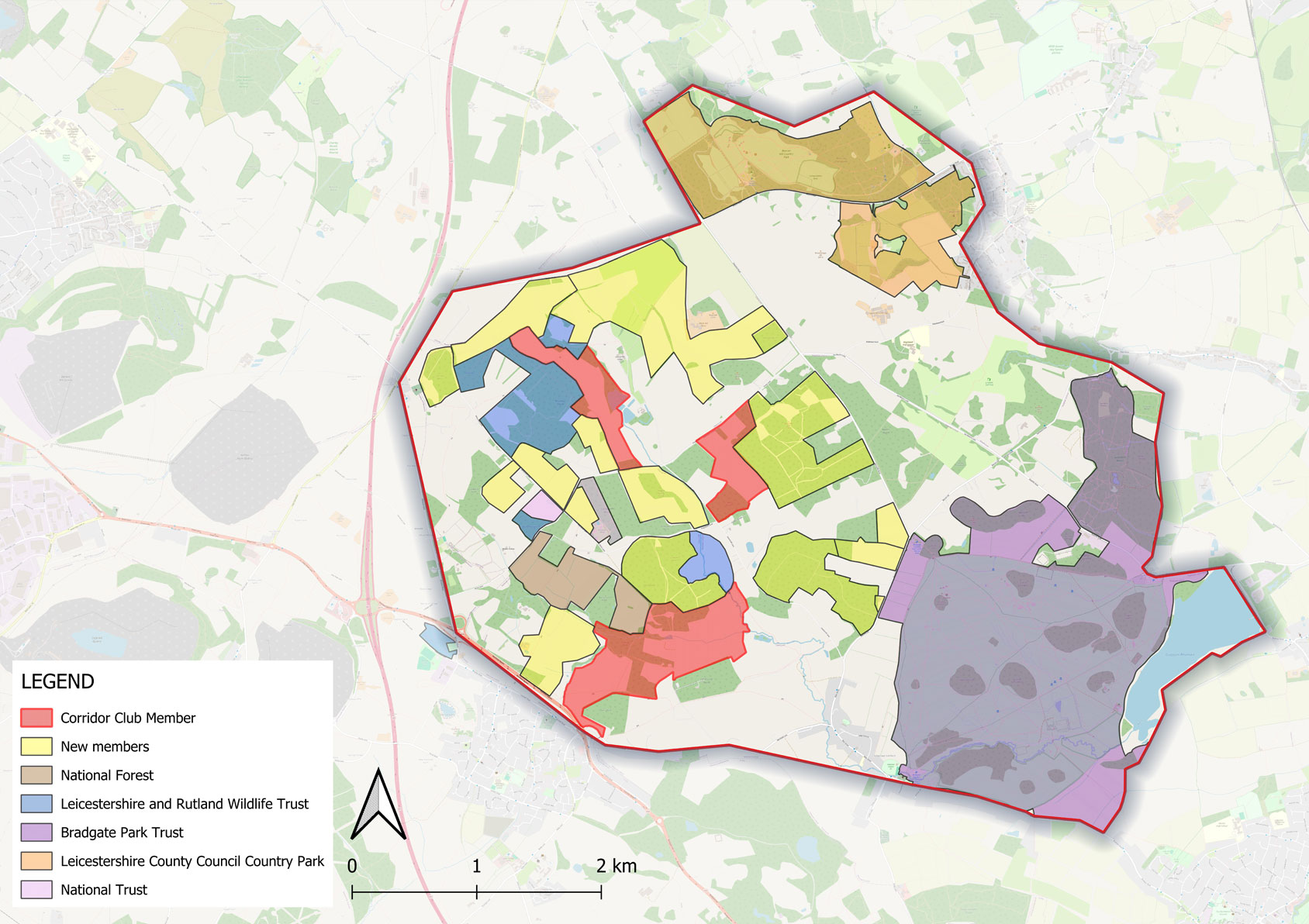
Wildlife does not recognise field boundaries. When neighbouring landowners take a joined-up approach, habitats function more effectively, populations become more resilient, and the whole landscape benefits.
Looking after nature in the Ulverscroft Valley is about maintaining a living, working landscape, one that remains productive, resilient and rich in wildlife for the future.
Click on image to view larger